Texas rig fishing is the single most versatile bass technique available — one setup that works in any body of water, in any season, in any conditions. If you had to pick one rig for the rest of your life, Texas rig fishing is it. It's been the most consistent bass-catching method for decades, and it's simple enough to set up in under two minutes. Here's everything you need to know to fish it effectively from day one.
What Is Texas Rig Fishing?
Texas rig fishing is a weedless soft plastic presentation. A bullet-shaped weight slides freely on your line above the hook, and a soft plastic bait — usually a worm, creature bait, or lizard — is hooked so the point is buried back into the plastic. Because the hook point is hidden, you can drag it through heavy cover without getting snagged.
The Texas rig was developed in the 1950s and has remained one of the top bass fishing rigs ever since. Its simplicity is part of what makes it so effective — there are very few moving parts, and the natural fall and movement of the soft plastic does most of the work for you.
What Do You Need for a Texas Rig?
- Bullet weight: 1/8 oz for shallow water, 3/16 or 1/4 oz for depths of 5–15 ft, 3/8–1/2 oz for deeper water or heavy current
- EWG worm hook: 3/0 for 5–6" worms, 4/0 for 7"+ worms
- Soft plastic bait: A 5" or 6" straight tail worm is the perfect starting point
- Bobber stop (optional): Pegs the weight against the nose of the bait for punching through heavy cover
- Line: 12–17 lb fluorocarbon for casting setups, 10–12 lb for spinning
Texas Rig Bass Setup for Beginners
The Texas rig works on both spinning and baitcasting setups, but your rod, reel, and line choice will affect how well you can feel bites and drive the hook home.
Rod
A 7' medium-heavy rod with a fast action tip is the ideal Texas rig rod. The length gives you casting distance and hook-setting leverage; the fast tip lets you feel the subtle tick of a bite on the fall. A medium power rod also works for lighter weights and finesse presentations, but if you're fishing heavy cover or thick grass, step up to medium-heavy.
Reel
A baitcasting reel in the 6.3:1 to 7.1:1 gear ratio range is the preference of most Texas rig anglers. The higher gear ratio lets you pick up line quickly on the hookset. That said, a spinning reel works fine for beginners — pair it with a 7' medium spinning rod and you'll be able to fish every technique in this article effectively.
Line
Fluorocarbon is the go-to for Texas rigging. It sinks (keeping your bait on the bottom), is nearly invisible underwater, and transmits bites better than monofilament. Use 12–15 lb fluorocarbon as a starting point. In heavy cover like thick grass or laydowns, bump up to 17–20 lb. Check out our full guide on best line for bass fishing for more detail.
How to Rig a Texas Rig Step by Step
- Thread your line through the bullet weight (point facing down toward your hook)
- Tie your EWG hook to the end of the line with a Palomar knot
- Push the hook point into the head of the worm about 1/4" and bring it out the side
- Slide the worm up the shank until the hook eye is at the nose of the worm
- Rotate the hook 180° and push the point back into the worm body — just barely under the skin
- The worm should hang straight with no bends or twists
Best Hook Size for a Texas Rig
Hook size should match your bait size. Using a hook that's too small leaves the gap too tight to penetrate on the hookset; too large and the bait won't hang straight.
| Bait Size | Hook Size | Best For |
|---|---|---|
| 3–4" worms | 1/0 – 2/0 EWG | Finesse fishing, pressured water, small hooks |
| 5–6" worms | 3/0 EWG | Most common — the go-to starting size |
| 7–8" worms, creature baits | 4/0 EWG | Bigger baits targeting larger fish |
| 10"+ worms, large lizards | 5/0 EWG | Big bait fishing, targeting trophy bass |
For most beginners fishing 5–6" worms, a 3/0 EWG is the right call and what we recommend below. The Gamakatsu EWG in 3/0 is the most-used Texas rig hook among tournament and recreational anglers alike.
Best Weight Size for a Texas Rig
Weight selection changes how fast your bait falls, how well you feel the bottom, and how far you can cast. Match the weight to your depth and conditions rather than using the same size for every situation.
| Weight | Depth Range | When to Use |
|---|---|---|
| 1/8 oz | 1–3 ft | Ultra-shallow water, calm days, finesse presentation |
| 3/16 oz | 3–6 ft | Shallow flats, light wind, slow fall desired |
| 1/4 oz | 5–10 ft | Best all-around starting weight for most situations |
| 3/8 oz | 10–15 ft | Windy days, deeper structure, moderate cover |
| 1/2 oz+ | 15 ft+ | Deep water, strong current, punching thick mats |
Start with a 1/4 oz weight. It works in a wide range of depths and conditions and gives you a good reference point for when you need to go heavier or lighter. If you can't feel the bottom, go heavier. If bass are spooky or the water is very shallow, drop down.
How to Fish a Texas Rig from the Bank
The Basic Drag-and-Hop
Cast to your target — near a log, along a weed edge, against a dock — let it fall to the bottom, then drag it slowly across the bottom with occasional hops. Bass usually strike on the fall or when the bait is sitting still. Watch your line for any twitch, jump, or sideways movement. That's a bite. Don't wait — sweep your rod sideways to set the hook hard.
Around Heavy Cover
The Texas rig's superpower is punching through grass, brush, and wood. Cast directly into the cover and let the bait fall vertically. The weight pulls it down through openings in the cover. Shake it, hop it, let it sit. Bass holding in heavy cover often crush the bait the second it enters their zone.
Open Water Pitching
For docks and close-quarters targets, learn to pitch: hold the bait in your off hand, flip the bail, and swing the rod like a pendulum to deliver the bait softly to a specific spot. No splashing. The Texas rig excels at this because it comes through any obstruction between you and the target.
Products to Get Started
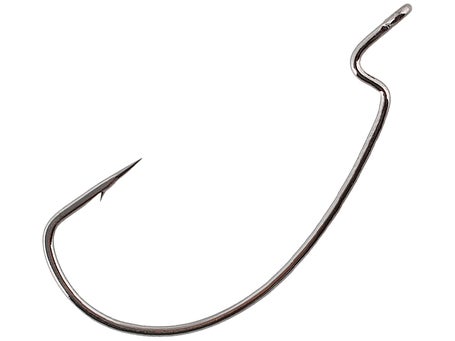
Gamakatsu EWG Worm Hook 3/0 — 25-Pack
The 3/0 EWG is the standard Texas rig hook for 5–6" worms. Gamakatsu's point stays sharp longer than any other hook in this price class, and the extra wide gap gives you room to bury and re-expose the point cleanly. A 25-pack will last you all season.
- Sharpest hook point in this category
- EWG design essential for proper Texas rig setup
- 3/0 covers the most common soft plastic sizes
- 25-pack value — no running out mid-trip

Texas Rig Kit 145pcs — Weights, Hooks, Beads, Pegs
Everything you need to start Texas rigging in one package: bullet weights in multiple sizes, EWG hooks, glass beads, and bobber stops. If you just want to get fishing without sourcing individual components, this kit gets you set up immediately. The quality is solid for the price.
- Everything included — no separate purchases needed
- Multiple weight sizes for different depths
- Includes pegs/bobber stops for punching cover
- Great starter kit value
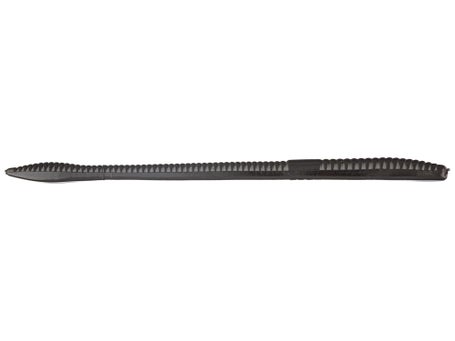
Zoom Trick Worm 6.75" — Black
A straight-tail worm is the most natural-looking Texas rig bait, and the Zoom Trick Worm is one of the best. The 6.75" length is big enough to attract quality fish but short enough to work on a standard 3/0 EWG. Black is the go-to color in clear to lightly stained water — it creates a silhouette bass can see from a distance.
- Classic straight-tail action on the fall
- 6.75" pairs perfectly with 3/0 EWG hook
- Black works in clear and stained water
- Proven bait across the country for decades
Zoom Brush Hog
When you're punching a Texas rig into thick cover, the Brush Hog's appendages give it the bulk and displacement to get noticed.
Color Selection
Keep it simple: green pumpkin is the single most versatile color and works in nearly every water clarity. Black/blue works in darker or stained water. Watermelon red is excellent in clear water. If you had to pick one, start with green pumpkin and only adjust if you're not getting bites after a full morning.
When the Texas Rig Shines
- Heavy cover: Best weedless rig available for punching through grass, brush, and timber
- Post-cold front: When bass are inactive, a slow-dragged Texas rig is often the only thing that gets bites
- Summer and fall: Bass deep on structure respond well to a Texas rig hopped along the bottom
- Any depth: Adjust your weight and you can fish from 1 foot to 30+ feet
Texas Rig vs Texas Jig: What's the Difference?
These two setups look similar but work differently. On a Texas rig, the bullet weight slides freely on the line above the hook — the weight and hook are separate components. This lets the weight move independently and gives the bait a more natural fall.
A Texas jig (sometimes called a "swim jig" or "football jig rigged Texas-style") has the weight molded directly to the hook head, like a traditional jig. The weight and hook move together as one unit. A Texas jig often has a skirt around the head to add bulk and action, whereas a Texas rig relies entirely on the soft plastic bait for its profile.
In practice: use a Texas rig when you want a slower, more subtle presentation and maximum versatility across depths. Use a Texas jig when you want a more compact, bulkier profile — often around rocks and chunk rock banks where crawfish imitations work well. For beginners, the Texas rig is the better starting point.
Common Texas Rig Mistakes
Not Setting the Hook Hard Enough
The most common beginner mistake. A Texas rig requires a firm sweep set — not a straight-up lift, but a hard sideways or upward sweep that drives the buried hook point through the plastic and into the fish's jaw. If you feel weight and just reel, you'll miss fish constantly. When you feel a bite, lower the rod slightly to take up slack, then sweep hard.
Using Too Heavy a Weight for Shallow Water
A 1/2 oz weight in two feet of water hits the bottom almost before you've started your retrieve. Bass in shallow water are often spooky, and a loud splash from a heavy weight kills the bite. Match the weight to the depth — use 1/8 oz in shallow, calm water and save the heavy weights for deep structure.
Burying the Hook Point Too Deep
When you bury the hook back into the worm, the point should be just barely under the surface of the plastic — barely hidden, not buried an inch deep. The goal is weedless, not hook-proof. Too deep and you won't penetrate on the hookset; the plastic absorbs the force instead of the hook point popping through.
Rigging the Worm Crooked
If the worm isn't straight on the hook, it will spin and twist your line on the retrieve. After rigging, hold the hook and let the worm hang — it should hang perfectly straight with no bend or corkscrew. If it doesn't, re-rig it. A twisted worm catches far fewer fish.
Not Watching Your Line
Most Texas rig bites happen on the fall, before the bait ever reaches the bottom. Bass inhale the bait as it falls and the only indication is your line suddenly going slack or jumping sideways. Watch the line from the moment it hits the water. If it does anything unexpected before it tightens on the bottom — set the hook.
Texas Rig FAQ
What is the best line for a Texas rig?
Fluorocarbon in the 12–15 lb range is the standard choice. It's low-visibility, sinks, and transmits bottom feel and bites better than mono. In thick cover, bump up to 17–20 lb. See our full bass fishing line guide for more detail.
Do you need a bobber stop on a Texas rig?
Not usually. The free-sliding weight is part of what gives the Texas rig its natural action. A bobber stop (or toothpick pegged into the weight) is only useful when you're punching through thick floating mats — it keeps the weight and bait together as a unit so they penetrate as one piece. For general fishing, leave the weight free-sliding.
Can you Texas rig without a weight?
Yes — it's called a weightless Texas rig, and it's a highly effective finesse technique. Without a weight, the bait falls much slower and can be worked just below the surface. It's deadly around shallow grass edges, over spawning beds, and in very clear water where a slow, subtle fall triggers wary fish.
What's the best soft plastic color for a Texas rig?
Green pumpkin for clear to lightly stained water, black/blue for dark or muddy water, watermelon red for very clear conditions. When in doubt, green pumpkin. It imitates crawfish, bream, and general forage well enough to work in almost any situation.
How do you know when a bass bites a Texas rig?
The bite usually feels like one of three things: a tick or thump on the fall, the line going suddenly slack (bass swam toward you after inhaling it), or the line moving sideways. Bass don't always hammer a Texas rig — sometimes it just feels like you got a little heavier on the bottom. When in doubt, set the hook.
What rod is best for Texas rigging?
A 7' medium-heavy fast action rod — baitcasting or spinning — is the standard choice. The fast tip lets you feel bites, and the medium-heavy backbone gives you the power for a solid hookset and fighting fish out of heavy cover. See our best bass fishing rod guide for specific recommendations.
The Bottom Line
The Texas rig isn't glamorous, but it catches bass consistently when everything else fails. Learn to rig it correctly, develop the feel for bites, and put it in heavy cover — and it will produce fish for you every single trip. Start with a 3/0 Gamakatsu EWG, a 1/4 oz bullet weight, and a pack of green pumpkin worms. That's all you need.
Affiliate disclosure: HookWake earns a commission on qualifying Amazon purchases at no extra cost to you. We only recommend gear we'd fish ourselves.